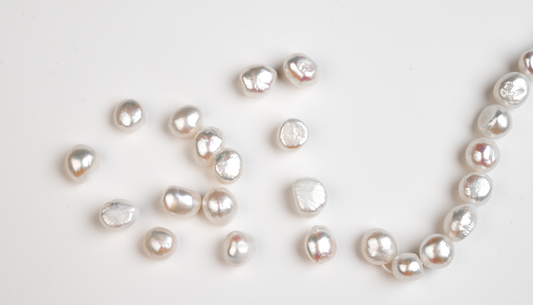
Why did your pearls lose their luster and how to fix it?
Pearls can look bright one week and dull the next. A thin film of skin oil, lotion, or makeup often causes this. With the right care, you can easily remove this haze.

But there's another kind of dullness that cleaning can't fix. Pearls are organic gemstones with layers of pearl nacre. Wearing a pearl hard, like in a ring, can wear away these layers. This can make the surface look patchy as the base material shows.
Restoring pearl luster depends on the cause. Cleaning removes dirt and grime. But, true glow comes from intact nacre. Once it's gone, it can't be recreated. If wear has broken through, many jewelers suggest replacing or resetting the pearl for the best look.
In the sections ahead, you'll find practical tips for pearl jewelry. We'll cover prevention, like wearing pearls last and cleaning them first. You'll also learn about soft-cloth wipe-downs and mild soap cleaning for different types of pearls. Plus, a guide on how to maintain your pearls for a long-lasting shine.
Some people wear pearl studs all the time, even in the shower or ocean. High quality pearls might look good for a while. But, it's not the best practice. Buildup can dull the surface, and posts can loosen. Regular care helps keep your pearls secure and shiny.
Why pearls turn dull: what luster is and why it fades
Pearls don’t shine like a mirror. Their glow comes from light bouncing through layers, then back out softly. This is why why pearls turn dull over time: anything that blocks light or disrupts the surface changes what you see.

Unlike many hard gems, pearls can look “cloudy” before they look damaged. A quick wipe may bring back sparkle, but the cause matters. Some changes sit on top, while others affect the pearl itself.
Pearl nacre and natural luster: why pearls are an organic gemstone
A pearl is an organic gemstone formed in oysters and mussels. It grows in thin layers of pearl nacre, which is what creates that signature natural luster. Those layers are tough in their own way, but they’re not sealed under a protective “skin” like many stones.
Because nacre is reactive, it can be stressed by heat, friction, and harsh products. Even a small chemical reaction can shift the look from bright to flat, when the surface gets slightly etched.
Common causes of a dull surface: skin oils, environmental factors, and everyday wear
Most early dullness is a film, not a flaw. Skin oils and dust can build up and create a dull surface that mutes reflection. Add everyday wear—rubbing on fabric, sliding against metal, or being handled often—and that haze can show up faster than people expect.
Environmental factors also play a role. Chlorine, salt air, and repeated water exposure can slowly soften the look. Cosmetics and household sprays can be worse because they may include acidic substances that lightly etch nacre, starting a gradual chemical reaction that reduces clarity.
- Skin oils can leave a transparent layer that dims shine.
- Perfume, hairspray, and lotion may cling to nacre and turn into stubborn buildup.
- Environmental factors like chlorinated pools and saltwater can dull the finish with repeated contact.
- Everyday wear adds tiny abrasions that scatter light instead of reflecting it.
When the “finish” is gone: what happens when nacre wears through
There’s also dullness that won’t wipe away. If pearl nacre wears thin from abrasion, the pearl can develop patchy, flat spots where the light no longer “dives” into the layers. This is common in rings, where constant contact speeds up everyday wear and turns that soft glow into a stubborn dull surface.
At that point, polishing can make a pearl look shinier, but it can’t rebuild true natural luster or the layered depth of an organic gemstone. Museums have documented older techniques—like using crushed fish scales to mimic nacre on glass beads—which shows how hard it is to recreate what nature builds layer by layer.
Pearl jewelry care, Cleaning freshwater pearls, Long-lasting pearl shine
Good pearl jewelry care is simple. It's about small routines, not special products. Pearls are soft and absorb things easily. So, gentle care is key to keeping them shiny.

The “last on, first off” rule to prevent perfume damage and cosmetic buildup
Always put pearls on last and take them off first. This rule helps avoid damage from perfume, sunscreen, and hairspray. It also prevents makeup from sticking to them.
Removing pearls before skincare is important. Acids and retinoids can dull their shine over time.
Daily rituals for everyday elegance: soft cloth cleaning after each wear
Keeping pearls clean is easy with daily rituals. Wipe them with a soft cloth after each wear. This removes oils and dust before they settle.
This method is good for all types of pearls. It keeps them protected and shiny without causing scratches.
Pearl protection around water: why showers, pools, and ocean exposure can dull pearls over time
Water can harm pearls. Avoid wearing them in showers, pools, and hot tubs. Heat and chlorine can damage the surface and settings.
Ocean exposure can also dull pearls. While some pearls can withstand it, it's not always the case. Loose earring posts are a common problem.
Jewelry habits that help longevity: avoiding scratches from harder gems and metal contact
Smart jewelry habits are key to longevity. Keep pearls away from hard gems like diamonds. Also, avoid metal contact to prevent scratches.
Rings are extra risky because of constant contact with surfaces. Style pearls last by wearing them after bracelets and watches. Store them separately to keep them shiny.
How to clean pearl necklaces and earrings safely at home
When cleaning pearl necklaces, use a light touch. Pearls are layered, and their outer nacre can dull easily. A few minutes of gentle care keeps them shining.
Soft cloth cleaning basics: removing oils and dirt without scratching
Begin with soft cloth cleaning after each wear. Use a clean, dry microfiber cloth to gently wipe each pearl. This removes oils, perfume, and dust without harming the nacre.
When cleaning freshwater pearls, be careful around holes and knots. A quick, gentle pass is usually enough. This reduces the need for deeper cleaning later.
Mild soap solution method: gentle care steps and what to avoid soaking
For a deeper clean, use a mild soap solution. Mix lukewarm water with a small amount of mild dish soap. Then, dampen a soft cloth—don't soak the jewelry. This method works for both strands and earrings.
- Dampen a soft cloth in the mild soap solution and wipe each pearl gently.
- Use a second cloth dampened with fresh water to remove soap residue.
- Lay pearls flat on a clean towel and let them air dry fully before storing.
Avoid soaking, as it can weaken silk thread over time. Don't use abrasive cloths, baking soda, or harsh cleaners. They can damage the nacre and leave pearls looking dull.
For pearl earrings, check the posts and backs while cleaning. Avoid using general craft glue, as it can spread and weaken settings.
Why ultrasonic cleaners are risky: vibration damage to nacre and settings
Ultrasonic cleaners are not good for pearls. The strong vibrations can cause damage, like cracking or peeling of nacre. They can also stress earring prongs, necklace clasps, and glue-set components, leading to looseness over time.
Damage you can’t reverse: when restoring pearl luster means replacing the pearl
At times, dullness is just dirt, and a gentle clean can revive the shine. But, when the surface layers are lost, it's a different story. In such cases, a jeweler might suggest replacing the pearl to revive the piece.
Signs nacre is worn through: patchy dull areas and exposed base material
Uneven dull spots that don't brighten with cleaning are a clear sign. In severe cases, you might see the base material, which looks chalky or different in color.
Check the pearl under bright light and rotate it slowly. A healthy pearl changes color as you move it. This quick test can help avoid unnecessary repairs.
Why polishing isn't true restoring pearl luster: shine vs. natural iridescence
Polishing can make pearls look shiny, but it can also wear away more nacre. This shine is not the same as the natural glow that comes from light passing through layers. Once these layers are gone, you can't get that glow back with a simple coating.
There are specialized methods for small issues, but they're not for everyday care. DIY attempts often end up looking like plastic, not a real gem.
Everyday rings vs. occasional wear: why rings see faster wear than strands
Pearls are softer than many stones, and rings get hit hard every day. Hands rub against counters and phones, wearing them down fast. Strands and earrings worn less often stay shinier longer.
- Rings: frequent knocks, rubbing, and exposure to soap and sanitizer
- Necklaces: less direct impact, but affected by skin oils and perfume
- Earrings: often the gentlest wear pattern if stored carefully
Professional options: resetting or replacing pearls in cherished pieces
When nacre loss is confirmed, the best fix is often to reset the pearl. This keeps the original design and is often affordable. A skilled jeweler will also check the setting to ensure the pearl is secure.
If the piece holds sentimental value, get a quick assessment first. A jeweler can tell if the dull look is just dirt or if it's time for a new pearl. This helps you choose the right path for keeping your jewelry looking great.
Storage and maintenance guide for enduring beauty
Keeping pearls bright for years is easy with a smart routine. This guide focuses on simple habits. These habits support enduring beauty, from where you set your jewelry down to how often you check the string.
Store separately to prevent scratches: pearls vs. high-quality sterling silver and other jewelry
Pearls are soft, so they show scratches quickly. Keep a pearl bracelet away from high-quality sterling silver chains, diamond studs, and metal clasps. These can rub and leave fine scratches.
Easy storage tips help: give pearls their own spot, and keep pieces from tangling. A small pouch or a divided jewelry box works well for everyday use.
Breathable storage: why plastic bags can harm pearl nacre
Choose breathable storage so pearls don’t sit in trapped moisture. Many people don’t realize plastic bags harm nacre because they can hold humidity and residues against the surface.
A cloth-lined case is a safer choice for necklace care, in warm bathrooms or humid climates. Air flow helps pearls stay comfortable and stable between wears.
Lay strands flat: protecting silk thread and keeping shape
For strands, lay them flat in a drawer or case instead of hanging them. This reduces stretching and keeps the curve of the necklace looking even.
Traditional silk thread is popular for a reason: it’s soft against pearls and flexes with movement. Knots between pearls add safety, so one break won’t send the whole strand to the floor.
Restringing schedule: inspection and restringing for frequently worn necklaces
Build a simple restringing schedule around how often you wear your pieces. If a strand is worn often, plan on restringing about once a year; for occasional wear, every two to three years may be enough.
Set a reminder for an inspection at least every two years. Look for frayed string near the clasp, loose knots, and a gritty feel that signals buildup that can affect necklace care over time.
Pearl Mission quality and craftsmanship: building long-lasting pearl shine into modern jewelry
Pearl Mission quality is rooted in Korean so-hwa craft. It believes a pearl's glow should be natural, not forced. This approach shapes their standards, from matching to settings that protect nacre.
Materials and technique are key. Pearl Mission picks pearls for their clarity, strong nacre, and balanced tone. They pair these with 18k gold vermeil jewelry, like the Greta Metal Long Chain Necklace, to resist dulling.
Quality and care ensure pearls stay shiny. Even top-quality pearls can lose their luster with perfume, sweat, and water. Use the last on/first off rule, wipe with a soft cloth, and avoid pools and showers.
For everyday wear in the U.S., Pearl Mission pieces are reliable choices. The Serene Blue Double Chain Bracelet is perfect for any day. Just remember to wipe it clean and keep it dry.
FAQ
Why did my pearls turn dull?
Pearls can lose their shine due to a film of skin oils, sweat, and dirt. Cosmetics like perfume and hairspray can also cause a slow chemical reaction. This reaction leaves a hazy, dull surface. In some cases, the pearl nacre can wear down, leading to permanent loss of luster.
What is pearl luster, in practical terms?
Pearl luster is the glow and reflective depth seen when light passes through the pearl nacre. Unlike diamonds or sapphires, pearls are organic gemstones. Their beauty relies on intact nacre, making proper care essential.
Can I restore pearl luster, or can I only clean pearls?
Cleaning can remove oils and residue, often bringing back the pearl's shine. But, restoring luster is limited by the nacre. If the nacre is worn through, the pearl can't be restored to its natural state, and replacement is often the best option.
What’s the most common real-world reason a pearl ring looks dull?
Daily wear, like in a ring, causes the pearl to rub against surfaces. This abrasion can wear through the nacre, leading to dull spots. Many jewelers agree that once a cultured pearl reaches this stage, replacement is usually the best solution.
How can I tell if my pearl is just dirty or if the nacre is worn through?
If the pearl looks evenly hazy, it's likely due to a film from oils or residue. This can be removed with gentle cleaning. But, if you see patchy dull spots or a rough feel, the nacre may be worn through. A jeweler can confirm whether it's just grime or permanent damage.
What are the everyday causes of pearl dullness?
Skin oils and dirt can create a dimming film. Cosmetics like perfume and sunscreen can cause slow chemical damage. Environmental factors like chlorinated water and repeated saltwater exposure also play a role. Pearls can scratch easily, leading to dullness over time.
What is the “last on, first off” rule for everyday pearl jewelry tips?
Put pearls on after applying perfume, hairspray, sunscreen, and lotions. Remove them before skincare at the end of the day. This rule helps prevent perfume damage and residue buildup, keeping the pearls shiny.
What should I do right after wearing pearls?
Gently wipe each pearl with a clean, soft cloth to remove oils and dust. Use light pressure to avoid scratching the nacre. This simple step helps maintain the pearl's shine.
How do I clean freshwater pearls safely at home?
Use lukewarm water with a small amount of mild soap on a soft cloth. Gently wipe each pearl. Then, use a second cloth dampened with fresh water to remove soap residue. Lay pearls flat on a clean towel to air dry fully before storing.
Should I soak pearl necklaces to deep-clean them?
Avoid soaking, as it can weaken the silk thread and affect the knots. Instead, wipe with a damp cloth using a mild soap solution, then dry flat. This method is safer for cleaning pearl necklaces without damaging the strand.
Can I wear pearls in the shower, pool, hot tub, or ocean?
It's best to avoid it. Chlorinated water, hot tub chemicals, and saltwater can dull the finish and stress the nacre. While some pearls may stay lustrous, it's not recommended, and settings can loosen, risking loss.
Are ultrasonic cleaners safe for pearls?
No. Ultrasonic cleaners are too harsh and can cause nacre to crack or dull. They can also stress earring settings and necklace components. Stick to soft-cloth cleaning and mild soap when needed.
What cleaning products should I never use on pearls?
Avoid abrasive materials, harsh household cleaners, and anything designed to “polish” aggressively. Pearls have no protective outer layer, so chemicals and abrasion can damage the nacre fast. Also, avoid chlorine bleach exposure, which can cause lasting harm.
Why does perfume damage pearls?
Perfume and hairspray contain alcohols and other chemicals that can react with pearl nacre and leave a gradual haze. Over time, the buildup and chemical exposure can reduce natural luster and create a stubborn film. Following “last on, first off” is the easiest prevention.
Can polishing fix dull pearls?
Polishing can create a shiny surface, but it doesn't recreate the pearl's natural nacre luster or iridescence. Once the original nacre finish is removed or worn through, it's considered impossible to duplicate. If nacre loss is the cause, polishing may change the look without truly restoring it.
I heard coatings can restore pearls—are DIY finishes worth trying?
DIY coatings aren't a real restoration path for worn nacre and can look artificial or fail quickly. Historically, crushed fish scales were used to mimic nacre on glass beads, and museum contexts may use specialized methods for tiny issues, but that's not a practical solution for everyday jewelry. For worn-through nacre, replacement is usually the most reliable option.
Why do pearl rings wear out faster than pearl necklaces or pearl studs?
Rings take constant impact and abrasion from daily hand use, so nacre wears down faster. Strands and occasional-wear earrings typically face less friction and fewer hard knocks. That's why a pearl worn daily—like in a ring—is the most common scenario for permanent dullness.
What should I do if my pearl has patchy dull spots and looks worn?
That can signal the point of no return—nacre worn through with base material showing. In that case, replacing the pearl is often the best fix, and it's usually straightforward for a jeweler. Resetting lets you keep the original design while returning the look of a luminous pearl.
How often should I have pearl strands inspected or restrung?
A professional inspection and cleaning is a good idea at least once every two years. For frequently worn strands, restring about once a year; for occasional wear, every two to three years may be enough. Silk thread is traditional because it's strong and soft, and knotting between pearls can prevent losing the whole strand if it breaks.
How should I store pearls to prevent scratches and dulling?
Separate storage is non-negotiable. Store pearls away from harder gemstones (including diamonds) and away from metal clasps or chains that can cause micro-scratches—this includes contact with high-quality sterling silver and other jewelry pieces when they're tossed together. Use a cloth-lined jewelry box, soft pouch, or lined case for safer pearl protection.
Why shouldn’t I store pearls in plastic bags?
Plastic can trap moisture and contribute to nacre damage over time. Pearls do best in breathable storage that allows air circulation. A soft pouch or fabric-lined case helps protect their surface and supports enduring beauty.
What’s the best way to store pearl necklaces and bracelets?
Lay strands flat to prevent stretching and distortion, which reduces stress on silk thread and helps the piece keep its shape. This simple pearl maintenance guide step also helps preserve the strand's drape and comfort. Keeping strands flat is essential for everyday-worn pieces.
Do pearl earrings need any special care beyond cleaning?
Yes—check posts and backs routinely. Long wear can loosen settings, and quick fixes like craft glue can damage jewelry integrity. Regular inspection, gentle cleaning, and safe storage help protect both the pearls and the hardware.
How does Pearl Mission design for long-lasting pearl shine?
Pearl Mission honors the timeless spirit of Korean so-hwa craftsmanship, creating modern jewelry that celebrates resilience and the natural brilliance found in every pearl. Pieces like the Greta Metal Long Chain Necklace use premium 18k gold vermeil and hand-picked pearls, designed to pair well with good jewelry habits and gentle care. Pearl Mission standards support longevity, while proper pearl jewelry care protects nacre and settings over time.
Can I wear Pearl Mission pearls as everyday-elegant jewelry?
Yes—Pearl Mission pieces are made for everyday elegance in real life, from quiet mornings to celebrations. Follow “last on, first off,” do a soft-cloth wipe-down after wear, avoid showers and pools, and use separate breathable storage. These small routines protect pearl nacre and help your jewelry keep its natural luster.
Do pearls pair well with sterling silver and 18k gold vermeil jewelry?
They can look beautiful together, including with 18k gold vermeil jewelry and high-quality sterling silver. The key is preventing metal-on-pearl contact when storing, as clasps and chains can scratch nacre. Wear them together confidently—just store them separately to protect the pearls' surface.
If my pearls are "okay" after years of rough wear, do I need to change anything?
It's a lucky outcome, often tied to pearl mission quality and the thickness and resilience of the nacre. But even when pearls remain fairly lustrous, water exposure and chemicals can shorten their lifespan, and posts or settings can loosen without warning. Better cleaning, safer storage, and periodic inspection help keep both shine and security long-term.